


This site uses cookies – Learn more.
Stop and Smell the Roses!
Stop and Smell the Roses!


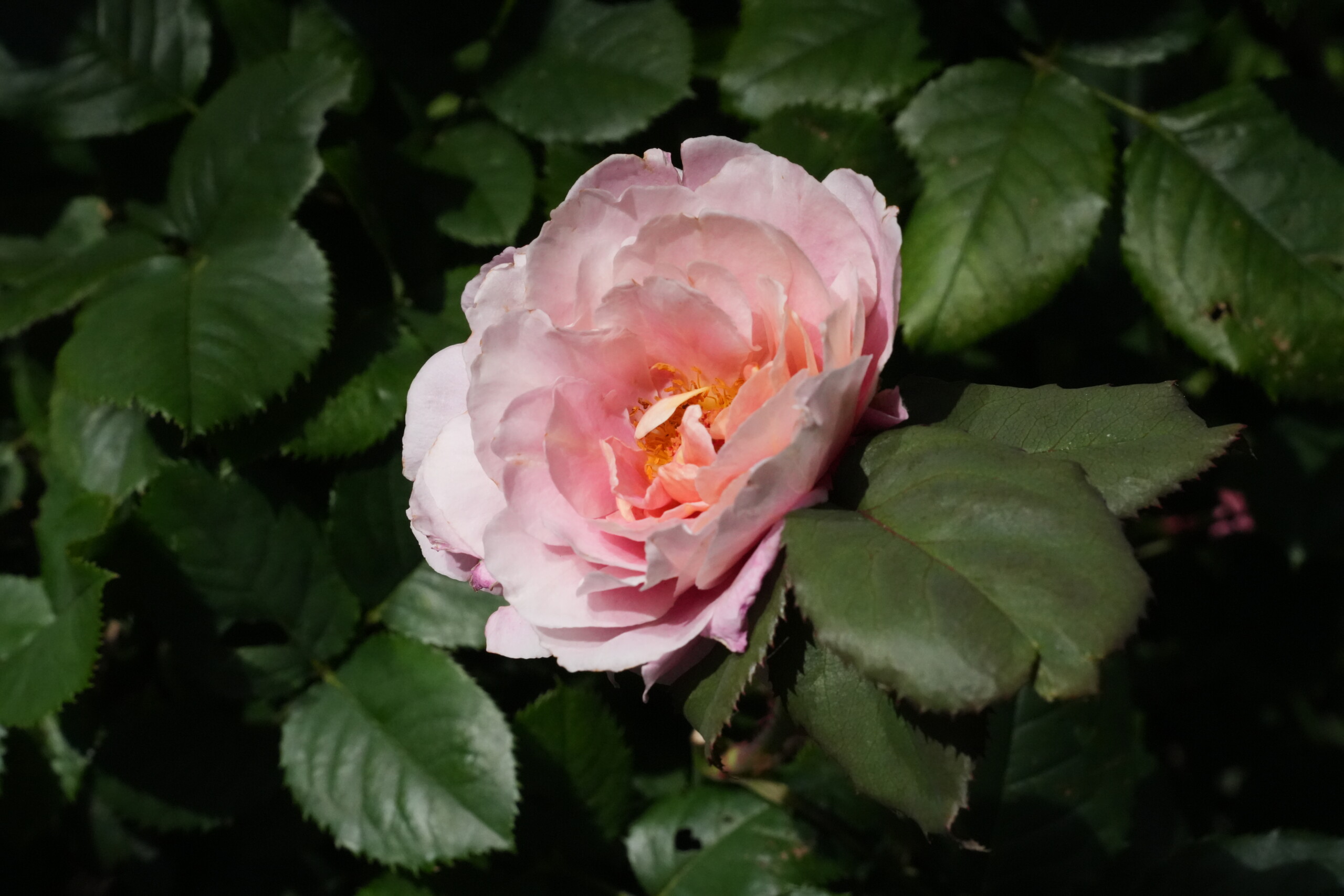


Every June, the park visitors are reminded just how beautiful green spaces in the city can be with the right care and attention. Roses are one of those plants that need specialized care and a deep understanding of correct pruning practices. There are countless different species and varieties of roses, some more challenging to care for than others, but all equally rewarding in their display of blooms. Roses generally bloom on new vigorous wood, so come spring time all of the roses are pruned down to a small frame, the roses are fed with organic fertilizer, and the horticulture team watches in awe as the roses flourish. As the season continues, meticulous dead heading of spent blooms and continuous monitoring for pest and disease issues is integral for the roses to go back into dormancy at full health. The numbers and varieties of roses continue to expand in the park with the help of Baileys Nursery. Six new shrubs were added to the planting pallet in the 23rd street bed.
For those looking for a thornless rose, look no further than Rosa ‘Zephirine Drouhin’! Long arching canes can be trained on a trellis as a climber or it can be pruned into a shrub. Sweetly fragrant double blooms continue on till frost. This, and the fact that it is thornless, makes it a park favorite. This rose was cultivated in 1868 by French breeder Leon Bizot, its success shown in how it continues to be cultivated by horticulture professionals today.
Another equally beautiful rose is commonly known as the Plum Perfect Rose, Rosa ‘KORvodacom’, bred by the famous German breeder Korder Shone. As a stunning rose with floribunda origins, it can have up to four blooms on one stem. This rose boasts beautiful deep purple double blooms that catch the eye. This rose is bred to have high disease resistance to common rose ailments, like black-spot or powdery mildew, fungal diseases that affect the health and aesthetics of the rose. Breeders develop disease-resistant roses by crossing commercial varieties with hardy, wild species, like Rosa rugosa or Rosa virginiana, that naturally possess resistance. Thousands of seedlings are then evaluated in rigorous, multi-year field trials and the best plants are selected while maintaining the beautiful blooms and fragrance.
Roses go into a rest period after their first flush in late spring before returning in August for the last blooms of the summer. As the collection grows, the horticulture team has the pleasure of testing new varieties in the sometimes harsh Manhattan weather, combating pollution, heat stress, and drought. The majority of the collection is planted in the 23rd street bed, along pathways and behind benches. Whether you are on your busy commute to work or rushing back home, we hope that you stop to smell the roses and be inspired to pause and take it in, as roses have been inspiring us to do for centuries.


